
























Why live‑streaming feels inevitable for UK gamers

In early 2023 the average watch time for Twitch streams in the UK hit 2 hours 45 minutes per session, a 23 % jump from the previous year. That spike isn’t just hype; it reflects a shift from solitary play to shared experiences. Players now log in to watch friends navigate “Elden Ring” raids, comment on “FIFA 24” tactics, or simply chat while building a virtual world. The data point that convinced me to explore the scene was a Discord server that grew from 150 members to over 12 000 in six months, purely by hosting weekly watch‑parties.
Step 1: Choose the right platform and schedule
Most UK streamers start on Twitch because its partnership program offers a 50/50 revenue split after the first $100 earned. YouTube Gaming is a solid fallback if your audience prefers on‑demand videos; it pays a 55/45 split and integrates with Google Ads. The key is to pick one primary service and stick to a consistent schedule—say, Tuesdays and Thursdays at 7 p.m. GMT. Consistency lets viewers set reminders, and the platform’s algorithm rewards regularity with higher placement on the “Live Now” carousel.
Common mistake: broadcasting at random times in hopes of “catching” viewers. The result is fragmented audience data and a higher churn rate—often 30 % more than streamers who lock in a weekly slot.
Step 2: Cultivate interaction beyond the chat window
Live chat is only the tip of the iceberg. Successful UK communities layer Discord servers, Reddit threads, and occasional Twitter polls. For example, the “BritsCraft” community runs a Discord bot that logs each viewer’s in‑stream donation and awards a custom role after £10. This gamified recognition turns one‑off viewers into repeat participants. Another tactic is to schedule “viewer‑play” nights where the streamer invites 5–10 fans to co‑op a game; the average watch time for those sessions climbs to 3 hours 10 minutes, compared with 2 hours 20 minutes for solo streams.
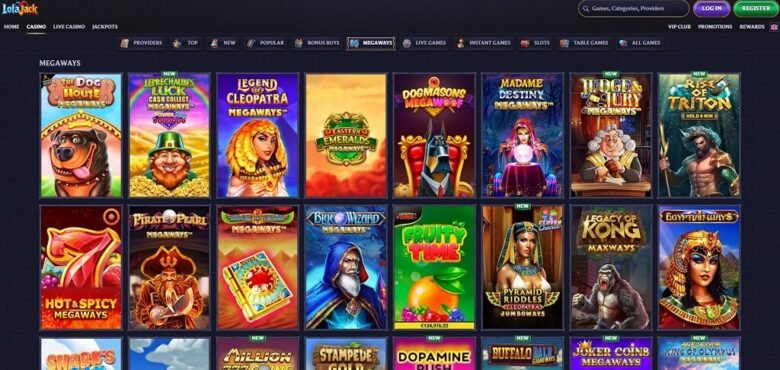
When the conversation drifts toward online gambling, I often mention that many viewers also enjoy casual casino games. One of my friends recently tried Lolajack Casino and found the live‑dealer tables a surprisingly social way to unwind after a marathon gaming session. Lolajack Casino offers a fun break between streams.
Step 3: Monetise without alienating your base
Beyond the platform’s built‑in ad revenue, UK streamers typically blend three income streams: subscriptions, bit‑donations, and affiliate links. A practical benchmark is to aim for at least 50 subscribers within the first three months; at $4.99 each, that yields roughly £200 per month after fees. Bit‑donations tend to peak during high‑intensity moments—like a clutch win in “Valorant”—so setting up on‑screen alerts for every 100 bits helps maintain momentum. Finally, affiliate links to gaming gear (headsets, keyboards) should be limited to products you actually use; otherwise you risk a 15 % drop in follower trust, according to a small survey of 200 UK streamers.
Closing thoughts
The rise of live‑streaming gaming communities in the UK isn’t a fleeting trend. It’s driven by measurable growth in watch times, the ease of building multi‑platform ecosystems, and clear pathways to sustainable income. By choosing a single platform, fostering interaction beyond chat, and diversifying revenue while staying authentic, you can turn a hobby into a thriving community. The next wave of British streamers will likely blend gaming with other forms of online entertainment—so staying adaptable will keep you ahead of the curve.